


Does the 2026 Hyundai IONIQ 9 comfortably seat seven for daily life around San Mateo, CA?
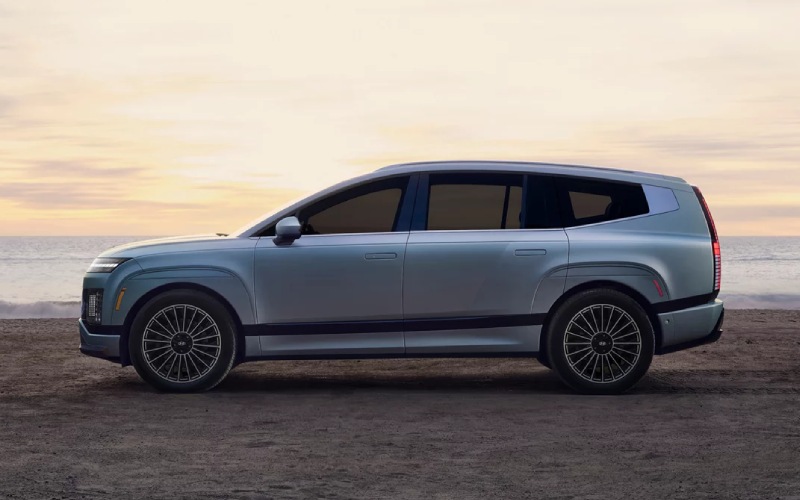
Hyundai of San Bruno – Does the 2026 Hyundai IONIQ 9 comfortably seat seven for daily life around San Mateo, CA?
Families evaluating a three-row electric SUV in the Peninsula want more than an extra bench. They expect easy access, smart storage, and a calm ride that makes daily life run smoother. The 2026 Hyundai IONIQ 9 approaches the brief with a purpose-built EV platform, quiet road manners, and flexible seating that works for carpools, after-school activities, and weekend getaways around San Mateo, CA.
Because the IONIQ 9 is built on Hyundai’s e-GMP platform, the flat floor opens up legroom in every row. That matters when you are installing child seats or accommodating teenagers who need real space for backpacks and sports gear. The cabin’s “third space” philosophy brings a lounge-like feel to the environment, with intuitive controls and thoughtful storage that keeps the cabin tidy. When the third row is needed, access is straightforward, and when you need cargo room, the quick-fold layout adapts in moments.
Seating flexibility is central to comfort, but long-trip behavior matters too. The quiet, smooth delivery of electric torque eases merging and hill climbs, while Hyundai SmartSense adds confidence in traffic. Highway Driving Assist II can support steering, following distance, and lane changes under appropriate conditions, which helps reduce fatigue on longer routes to games, practices, or coastal escapes. Around town, available Remote Smart Parking Assist can help with tight garages and school pickup zones where space is limited.
Interior tech ties everything together. Bluelink® connected services let you precondition the cabin temperature before buckling up, and Digital Key makes family logistics easier by allowing authorized smartphone access. Combined with plentiful device power points and a clean, modern interface, the IONIQ 9 is built to reduce friction from the first mile to the last.
- Three rows with a flat floor that supports adult-friendly legroom
- Quick-fold versatility for fast transitions between people and cargo
- Calm, quiet ride that keeps conversations and naps uninterrupted
- Hyundai SmartSense with Highway Driving Assist II for road-trip ease
- Bluelink® and Digital Key for stress-free daily coordination
Charging is also designed for busy family life. On compatible public DC fast chargers, the e-GMP architecture supports ultra-fast charging to help you add meaningful range during a short break. At home, Level 2 charging is simple to integrate, and our team can talk through the best approach based on your garage or parking setup. If your weekends include camping or youth sports, Vehicle-to-Load (V2L) power is a practical bonus for inflating gear or powering small devices on-site.
Frequently Asked Questions:
Is the third row suitable for daily use or just occasional trips
The IONIQ 9’s third row is engineered for real-world usability, supported by a flat floor and thoughtful access. While adults will prefer the first and second rows for extended time, the third row is genuinely capable for school runs, social outings, and weekend errands.
Can I fit multiple child seats comfortably
Yes, the wide cabin and open floor help with installation and legroom. Bring your own seats to a test drive so you can check anchor access, adjust recline, and confirm how the second and third rows handle different combinations.
How does the ride hold up on longer drives
The smooth torque delivery and quiet cabin help keep everyone relaxed. Highway Driving Assist II can add steering and distance support under appropriate conditions, which reduces driver fatigue on longer routes.
If you want to validate the fit for your family, plan a hands-on visit. Load a stroller or sports gear, try child seat installs, fold the rows, and take a loop that includes hills, freeway, and neighborhood streets. Our team at Hyundai of San Bruno will walk you through Bluelink® setup, charging options, and SmartSense features in context. We are proudly serving Burlingame, Daly City, and San Mateo with guidance tailored to real-life use. By the end, you will know exactly how the IONIQ 9 supports your routine weekday to weekend.
Request more 2026 Hyundai IONIQ 9 information
How Does the 2025 Hyundai Elantra Hybrid Powertrain Work for San Francisco, CA Commuters?
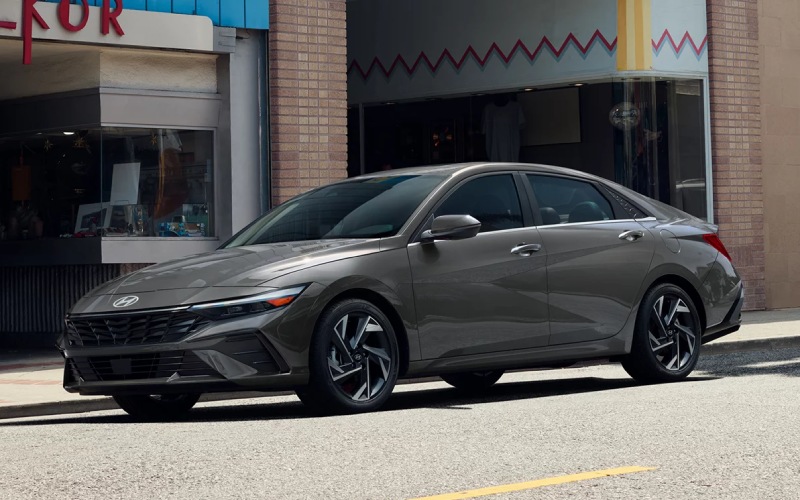
Hyundai of San Bruno – How Does the 2025 Hyundai Elantra Hybrid Powertrain Work for San Francisco, CA Commuters?
The 2025 Hyundai Elantra Hybrid combines a 1.6L Smartstream engine and a 32kW electric motor to create a sedan that feels lively in the city and relaxed on the highway. If you drive crowded corridors, climb steep ramps, or weave through dense traffic, understanding how this hybrid system behaves in real life can help you decide if it fits your routine.
At low speeds or light throttle, the electric motor can take the lead, providing that signature hybrid smoothness as you roll away from a stop. When you need more power, the engine joins seamlessly to deliver a combined 139 hp and an especially useful 195 lb.-ft. of torque. What you’ll notice most is how responsive the car feels right off the line and how steadily it builds speed during merges. Because the ELANTRA Hybrid is a self-charging hybrid, it captures energy when you slow down, storing it in the lithium-ion battery so it’s ready the next time you tip into the accelerator.
On a typical San Francisco commute, this balance works to your advantage. The electric assist helps smooth out stop-and-go patterns on city streets, while the engine steps in quietly for the climb onto US-101 or I-280. The handoff between power sources happens behind the scenes; your job is simply to steer, brake, and enjoy the uninterrupted pull of electric torque when you need it most. The cabin tech supports the experience, too. With the option to add two 10.25-inch displays—an available touchscreen with navigation and a fully digital instrument cluster—you can keep hybrid system info in view while using Apple CarPlay ® or Android Auto™ for route guidance and music.
Regenerative braking is another everyday benefit worth calling out. On downhill stretches or as traffic slows, the system captures kinetic energy and converts it into electricity. You don’t need to change your driving style—just brake naturally. Over time, that recaptured energy adds up to smoother starts and fewer trips to the pump. For commuters who value predictability, the pedal feel is tuned to be linear and confidence-inspiring, so you won’t experience the inconsistency some older hybrids were known for.
Ownership confidence matters, and here Hyundai puts structure around the technology. ELANTRA Hybrid’s high-capacity lithium-ion battery is covered for 10 years/100,000 miles, reflecting the brand’s long-term commitment to hybrid durability. Features like available Hyundai Digital Key 2 Touch and Bluelink® connected capabilities extend the convenience factor, letting you unlock and start with a compatible smartphone, enable available Wi-Fi hotspot capability, and even use Hyundai Pay at select locations when equipped with touchscreen navigation.
If your daily drive ranges from compact neighborhood streets to longer freeway stretches, this system provides the flexibility to do it all without altering your routine. You never plug in, you never hunt for charging stations—just drive and let the hybrid do the optimizing in the background. It’s a practical path into electrification for commuters who want both simplicity and results.
Frequently Asked Questions:
Do I need to plug in the ELANTRA Hybrid?
No. It’s a conventional, self-charging hybrid. The battery recharges via the engine and regenerative braking.
What will I feel when accelerating?
Instant electric assist provides confident initial pull, while the engine adds smooth, steady power as speed builds.
Can I see what the hybrid system is doing?
Yes. With the available dual 10.25-inch displays, you can view hybrid energy flow and efficiency data alongside navigation.
To learn how this technology fits your drive, schedule a test loop that mirrors your commute, including stoplights, an on-ramp, and a steep hill. Hyundai of San Bruno is serving Pacifica, South San Francisco, and San Francisco with test drives tailored to local roads and straightforward guidance so you can make an informed decision with confidence.
Request more 2025 Hyundai Elantra Hybrid information
Does Hyundai SmartSense on the 2026 Hyundai Kona reduce city-driving stress around South San Francisco, CA?

Hyundai of San Bruno – Does Hyundai SmartSense on the 2026 Hyundai Kona reduce city-driving stress around South San Francisco, CA?
Urban driving can be demanding—tight lanes, quick stops, and constant merging. The 2026 Hyundai Kona integrates Hyundai SmartSense to help smooth the pace, support your awareness, and reduce fatigue on busy streets around South San Francisco, CA.
Every Kona comes standard with a robust suite of safety and driver assistance technologies. Forward Collision-Avoidance Assist with Pedestrian, Cyclist, and Junction Turning Detection and Direct Oncoming (FCA-JT DO) helps when traffic patterns change suddenly or you’re turning left across busy lanes. Rear Cross-Traffic Collision-Avoidance Assist (RCCA) lends a hand when backing out of street parking or garages with obstructed views. Lane Keeping Assist (LKA) and Lane Following Assist (LFA) work together to help keep Kona centered and alert you if you begin to drift. And Smart Cruise Control (SCC) with Stop & Go can help relieve the stop-and-go grind by maintaining distance from the vehicle ahead, even down to a standstill and back up again within system limits.
For drivers who want the most comprehensive assist experience, the Limited trim adds Blind-Spot View Monitor (BVM) and Surround View Monitor (SVM)—two features that make a noticeable difference in city environments. BVM provides a live camera view of your blind spot in the instrument cluster when you signal, while SVM offers a 360-degree bird’s-eye view to help with tight parking. Highway Driving Assist (HDA) helps maintain a set distance and speed on limited-access roads and assists with centering through gentle curves, making freeway stretches feel more composed. Remote Smart Parking Assist (RSPA) can even help pull the vehicle into or out of a parking space while you stand outside, which is especially handy in narrow garages.
Connectivity complements safety. The Kona’s available 12.3-inch touchscreen with navigation, wireless Apple CarPlay® and Android Auto™, Wi-Fi hotspot capability, and Bluelink+ keep you plugged in without adding clutter. The 12.3-inch digital instrument cluster keeps critical data front and center, while available Bose® Premium Audio makes daily drives a bit more relaxing. Features like Safe Exit Warning (SEW), High Beam Assist (HBA), Driver Attention Warning (DAW), and Rear Occupant Alert (ROA) round out everyday peace of mind—useful touches you’ll appreciate more and more over time.
Ultimately, SmartSense does not replace careful driving, but it does add layers of support that fit the rhythm of city life. If your routine includes parallel parking, frequent lane changes, and short freeway hops, the way Kona’s systems are integrated feels intuitive from day one. Our team can demonstrate how each feature engages and how to tailor alert sensitivities and settings to your preferences.
Frequently Asked Questions:
Which SmartSense features are standard on every 2026 Kona?
Standard systems include FCA-JT DO, RCCA, Blind-Spot Collision Warning (BCW), Lane Keeping Assist (LKA), Lane Following Assist (LFA), Smart Cruise Control (SCC) with Stop & Go, High Beam Assist (HBA), Driver Attention Warning (DAW), Rear Occupant Alert (ROA), and Safe Exit Warning (SEW).
What do I gain by choosing the Kona Limited trim for city driving?
Limited adds Blind-Spot View Monitor (BVM), Surround View Monitor (SVM), Highway Driving Assist (HDA), Remote Smart Parking Assist (RSPA), Parking Collision-Avoidance Assist – Reverse/Forward/Side (PCA-R/F/S), and Parking Distance Warning (PDW). These upgrades are particularly helpful for parallel parking, tight garages, and navigating dense traffic.
Can I try these systems during a test drive?
Yes. We can set up routes to demonstrate SCC with Stop & Go, LKA/LFA lane support, BVM lane-change views, and SVM parking assistance. We will also show how to adjust alert volumes, steering assistance levels, and system settings so the tech feels natural.
Does Kona’s infotainment help reduce distractions?
The twin 12.3-inch displays offer crisp, at-a-glance information. Wireless Apple CarPlay® and Android Auto™ simplify access to navigation, calls, and music, while available Bose® Premium Audio, Wi-Fi hotspot capability, and Bluelink+ keep things seamless. The result is a clean, intuitive interface that supports rather than complicates your drive.
If you’d like a hands-on walkthrough, Hyundai of San Bruno can tailor a drive to your daily routes, serving Pacifica, South San Francisco, and San Francisco. We’ll help you see how SmartSense supports your commute and how the Kona’s cabin tech fits your preferences.
Request more 2026 Hyundai Kona information
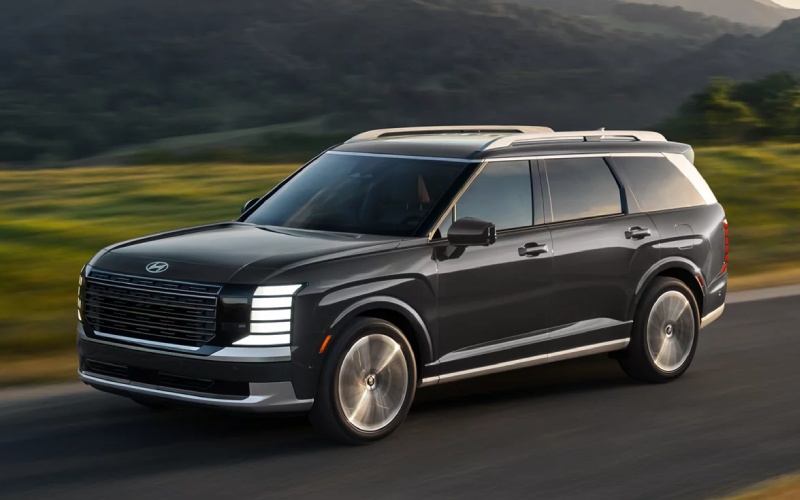
Hyundai of San Bruno – Can the 2026 Hyundai Palisade Hybrid Confidently Tow Around South San Francisco, CA?
The short path between your driveway and your favorite getaway often hinges on one question—can your family SUV tow what you love to bring along, and do it with confidence on Bay Area roads? With the 2026 Hyundai Palisade Hybrid, the answer is a resounding yes. When properly equipped and using trailer brakes, this SUV can tow up to 4,000 lbs., supported by Tow Mode and available HTRAC All Wheel Drive with Terrain Mode. That blend of hybrid muscle and traction technology is what makes weekend plans feel pleasantly simple around South San Francisco, CA.
Under the hood, a 2.5L turbocharged GDI 4-cylinder hybrid system combines with an electric motor for a robust 329 horsepower. That electric assist is not just about efficiency—it adds instant torque off the line, smoothing out launches with a trailer and helping you merge with confidence. Pair it with available HTRAC All Wheel Drive, and you will appreciate the composed stability when pulling a compact camper, a pair of personal watercraft, or a small boat down to the marina.
To get the most from your towing setup, it helps to think through your hardware and your route. The Palisade Hybrid offers an available integrated tow hitch, and the thoughtful calibration of Tow Mode helps optimize shift points and throttle response when you are pulling a load. As with any towing, confirm your trailer’s weight, tongue weight distribution, and brake setup, and make sure your lighting connections are secure. Before you leave, use available Surround View Monitor to position the trailer precisely—then rely on the hybrid’s smooth torque to ease away cleanly.
- Pre-trip checklist: Verify trailer brakes and lighting, check tire pressures (vehicle and trailer), and secure safety chains correctly.
- Weight awareness: Confirm that your trailer and cargo stay within the Palisade Hybrid’s towing capacity with trailer brakes.
- Tow Mode advantage: Engage Tow Mode before you set off to help maintain steady performance on grades and during passes.
- Traction support: Consider available HTRAC All Wheel Drive with Terrain Mode for confident control on wet or unpaved surfaces.
- Parking precision: Use available Surround View Monitor to navigate tight boat ramps and trailhead lots with less stress.
Inside, the Palisade Hybrid keeps the towing experience relaxed. The 12.3-inch Dual Panoramic Display keeps key information close at hand, while available Bose® Premium Audio entertains the cabin on long stretches. Multiple 100W USB-C ports help everyone arrive fully charged, and the available Built-in Dash Cam can record both the journey and key moments at the campsite or marina. The result is a towing experience that feels well-supported from hook-up to home.
Frequently Asked Questions:
What can I realistically tow with the 2026 Palisade Hybrid?
With up to 4,000 lbs. of towing capacity when using trailer brakes, many compact campers, small boats, and pairs of personal watercraft fall comfortably within range. Always verify actual weights and follow proper loading and brake guidelines.
Do I need HTRAC All Wheel Drive for towing?
HTRAC All Wheel Drive is not required but can be beneficial. It can improve traction and stability on wet, sandy, or uneven surfaces and may make launching boats or heading to remote campsites more confident.
How does Tow Mode help?
Tow Mode adjusts transmission behavior and throttle response to better manage load and grade changes, promoting smoother performance and consistent power delivery when you are pulling a trailer.
Is there any special tech that helps with maneuvering a trailer?
Available Surround View Monitor offers a 360-degree bird’s-eye view of your surroundings to help you back up to a trailer and navigate tight spots, while the available Built-in Dash Cam can capture helpful footage during trips.
When you are ready to see how the hybrid system’s instant torque and the Palisade’s towing features come together on local roads, our product specialists can tailor a route that mirrors your weekend plans. Hyundai of San Bruno is proud to support families and adventurers, serving Pacifica, South San Francisco, and San Francisco with knowledgeable guidance, hands-on demos, and an indoor showroom that makes comparisons easy. Tell us what you want to tow—we will help you build the configuration that fits.
Request more 2026 Hyundai Palisade Hybrid information
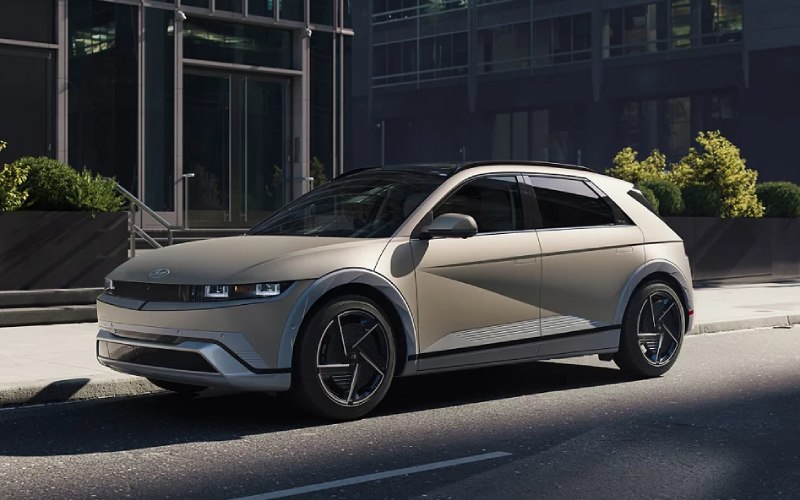
*Not actual model
Hyundai of San Bruno – Can the 2026 Hyundai IONIQ 5 Tow a Small Trailer near South San Francisco, CA?
Towing with an EV is easier to understand when you break it into equipment, ratings, and real-world planning. If you are considering the 2026 Hyundai IONIQ 5 for occasional towing near South San Francisco, CA, here is what you need to know to make confident, safe choices.
Official guidance matters. The IONIQ 5 has a maximum tow rating of 2700 pounds. Hyundai recommends towing only with the all-wheel drive XRT when equipped with the factory hitch. Towing is not recommended on rear-wheel drive configurations. That means your first step is confirming the exact model and equipment. Once you are set with AWD XRT and the factory hitch, you will want to consider your trailer’s loaded weight, tongue weight, and how you plan to use the vehicle across local terrain and highway trips.
- Know your numbers: Check the trailer’s gross trailer weight, the vehicle’s maximum tow rating, and ensure tongue weight stays within recommended limits.
- Choose the right hitch: Use the factory-installed hitch on AWD XRT, as recommended by Hyundai for towing.
- Balance the load: Distribute weight evenly and secure cargo to avoid sway, especially on coastal crosswinds and rolling grades.
- Plan charging stops: Use DC fast-charging stations along your route and allow extra time, as towing increases energy use.
- Drive mindfully: Increase following distance, moderate speeds, and use the IONIQ 5’s driver-assistance features to reduce fatigue.
Energy planning is the other key to a smooth towing day. Towing increases drag and weight, which raises consumption and reduces range compared to driving unladen. The IONIQ 5 can recharge from 10 to 80 percent in about 20 minutes on a compatible DC fast charger when conditions are ideal, so choosing stops near your route keeps you moving. If your routine includes weekend towing to trailheads or campgrounds, a Level 2 charger at home simplifies the midweek top-up and gets you ready for the next outing.
Frequently Asked Questions:
Which IONIQ 5 models are recommended for towing?
Hyundai recommends towing only with the AWD XRT equipped with the factory hitch. Rear-wheel drive models are not recommended for towing, and third-party hitches are not a substitute for Hyundai’s factory hardware and guidance.
How much can the IONIQ 5 tow?
The maximum tow rating is 2700 pounds when properly equipped. Verify the rating for your specific vehicle and never exceed the lowest-rated component in your towing setup.
How does towing affect range?
Expect a noticeable reduction in range due to added weight and aerodynamic drag. Plan shorter legs between DC fast-charging stops, and consider conservative speeds to help manage consumption.
What setup tips help with stability?
Balance your load, target proper tongue weight, and use a quality ball mount compatible with the factory hitch. Keep tires inflated to recommended pressures for both vehicle and trailer, and use driver-assistance features to maintain a calm, predictable pace.
If you want a clear, step-by-step walkthrough of AWD XRT towing and charging plans that fit your routes, our team can help you dial in the details. From identifying the right ball mount and wiring to mapping fast-charging stops, we focus on getting you road-ready with confidence. Reach out to Hyundai of San Bruno for guidance tailored to your use case—serving Pacifica, South San Francisco, and San Francisco with practical support for your EV life.
Request more 2026 Hyundai IONIQ 5 information
Does the 2026 Hyundai Tucson Hybrid Charge Itself during Daily Drives around South San Francisco, CA?
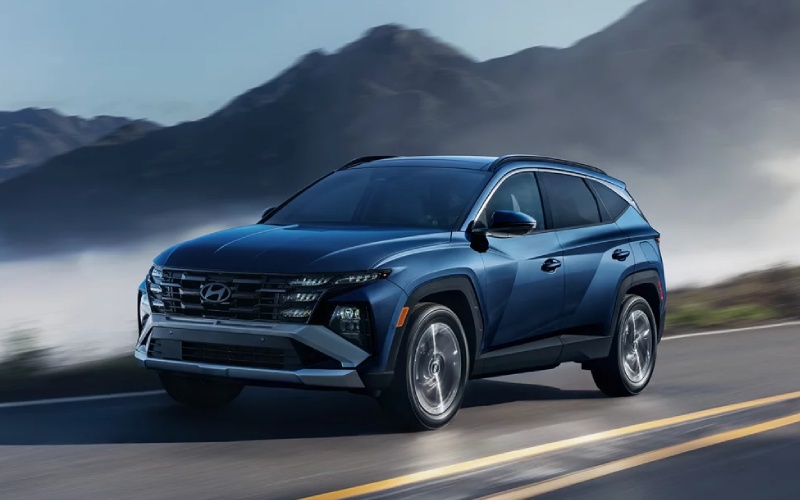
Hyundai of San Bruno – Does the 2026 Hyundai Tucson Hybrid Charge Itself during Daily Drives around South San Francisco, CA?
The 2026 Hyundai Tucson Hybrid uses a self-charging hybrid system, which means you do not need to plug it in for everyday driving. Its gasoline engine and regenerative braking work together to recharge the hybrid battery while you are on the move, delivering smooth, confident power with no change to your routine.
Under the hood, the Tucson Hybrid pairs a turbocharged 1.6-liter four-cylinder with an electric motor for a combined 231 horsepower. Unlike many hybrids that use a continuously variable transmission, Hyundai utilizes a 6-speed automatic that feels direct and familiar. The result is easy acceleration at city speeds and reassuring response for merging onto Highway 101 or I-280. HTRAC All Wheel Drive comes standard, adding confident traction on wet mornings and steady composure across the Peninsula’s hills. If you want a plug-in experience for short-distance electric driving, the Tucson Plug-in Hybrid is the variant designed for charging at home or on public Level 2 stations—helpful if you have reliable charging access and want to maximize electric miles during local errands.
Inside, the Tucson Hybrid brings a calm, modern interface. A standard 12.3-inch infotainment display supports wireless Apple CarPlay and Android Auto, while upper trims add a 12.3-inch digital instrument cluster for a clean, two-screen look. An available wireless charging pad and available Bose premium audio round out the tech-forward cockpit. Hyundai SmartSense safety brings standard automated emergency braking with pedestrian detection, lane-departure warning, and lane-keeping assist. Available adaptive cruise control with a lane-centering function adds confident support for longer drives, helping maintain smooth flow in Bay Area traffic while you remain in control.
For many shoppers, the big question is whether a hybrid changes daily life. With the Tucson Hybrid, the answer is straightforward: drive as you always do. The system optimizes itself in the background, blending engine and electric power to keep things quiet and responsive. You fuel up as usual, and the vehicle handles charging on its own. If you are comparing trims or deciding between the hybrid and plug-in hybrid, we recommend thinking about your parking situation, access to charging, and the length of your typical trips.
Frequently Asked Questions:
Do I need special equipment at home for the Tucson Hybrid?
No. The Tucson Hybrid does not require a home charger because it is self-charging. You fill it with gasoline like a traditional SUV, and the hybrid system recharges the battery as you drive.
How does HTRAC All Wheel Drive help on hilly or wet roads?
HTRAC All Wheel Drive can proactively distribute torque to the wheels with the most grip. That helps with confident starts on inclines and stable progress on slick surfaces common in coastal microclimates.
Which infotainment and driver-assistance features are standard?
Every Tucson Hybrid includes a 12.3-inch infotainment touchscreen with wireless Apple CarPlay and Android Auto, plus standard driver assists like automated emergency braking with pedestrian detection and lane-keeping assist. Available features include adaptive cruise control with lane-centering, a 12.3-inch digital instrument cluster, and Bose premium audio.
If you would like a tailored walk-through of the hybrid and plug-in hybrid options, our team at Hyundai of San Bruno can highlight the differences that matter most to your routine. We help simplify the decision-making process with demonstrations of HTRAC traction, driver-assistance systems, and the infotainment experience—serving Pacifica, South San Francisco, and San Francisco with convenient test drive routes that match real-world driving.
Request more 2026 Hyundai Tucson Hybrid information
*Not actual model
Hyundai of San Bruno – How Long Does It Take to Charge the 2026 Hyundai IONIQ 5 at Home in San Bruno, CA?
The most common question we hear from in-market EV shoppers is simple — how long will it take to charge at home. If you are considering the 2026 Hyundai IONIQ 5, home charging is designed to be easy and predictable, and 2026 models now include a charging cable compatible with Level 1 and Level 2 charging as standard equipment. Below, our Hyundai of San Bruno team explains real-world home charging times, what affects them, and how to set up a home solution that fits daily life on the Peninsula.
First things first, the IONIQ 5 offers two battery sizes — a standard pack and an extended pack — and an onboard AC charger that supports up to 10.9 kW on Level 2. For most San Bruno drivers who park overnight, a 240V Level 2 setup delivers a full workweek of driving between dinner and breakfast. The standard 120V household outlet remains a useful backup for light daily mileage or topping up when visiting friends and family, while public DC fast charging is best for road trips and busy days when you need the quickest turnaround. Actual times will vary based on your battery state of charge, ambient temperature, circuit amperage, and whether your IONIQ 5 is rear-wheel drive or all-wheel drive.
Here is a quick way to frame home charging expectations for the 2026 Hyundai IONIQ 5 based on typical Bay Area setups and our customers’ routines.
- Level 1 120V adds roughly 2 to 3 miles of range per hour
- Level 2 240V commonly adds around 25 to 35 miles of range per hour
- Level 2 240V can typically recharge from about 20 percent to about 80 percent in roughly 4 to 6 hours
- A full overnight Level 2 session usually covers a full battery on most trims
- Public DC fast charging is the right tool for trip days — the IONIQ 5 can go from 10 percent to 80 percent in about 20 minutes under ideal conditions
Why the big spread. Charging speed is a partnership between your home circuit and the IONIQ 5’s onboard charger. Many home EVSE units are set up on a 40A or 48A circuit, and the IONIQ 5 can accept up to 10.9 kW AC. If your home is set to deliver the full capability and your battery is in its fastest charging window, you will see the higher end of those estimates. If you are topping up from a lower output 240V circuit or the pack is near full, charging slows — which is normal battery management behavior designed for longevity.
Planning a smooth at-home setup is straightforward, and our team helps customers through it every week. Use the quick checklist below to get started, then reach out if you would like local installer introductions or a walk-through of your options in our 180,000 sq ft indoor showroom on El Camino Real.
- Confirm electrical capacity with a licensed electrician familiar with EV charging in San Mateo County
- Select a Level 2 EVSE that matches your panel and desired amperage
- Choose a mounting spot that keeps the cable organized and within easy reach
- Enable scheduled charging so most charging happens during your preferred hours
- Test your setup with the included IONIQ 5 charging cable and verify expected charge rates in the vehicle display
What about battery care and daily habits. For everyday commuting around San Bruno, Daly City, Burlingame, and San Mateo, most drivers plug in when they park and set a target around 80 to 90 percent for routine use. Saving 100 percent for trip days is a simple best practice. The IONIQ 5’s EV menus make scheduling and target limits easy, and the 12.3?inch display clearly shows time-to-full estimates once you plug in. Across the lineup, EPA-estimated ranges span from approximately 245 to 318 miles depending on battery and drivetrain, so an overnight Level 2 session more than covers a typical week of errands, school runs, and a Highway 101 commute.
Beyond home charging, the IONIQ 5’s Vehicle-to-Load (V2L) capability is a favorite among our customers. While not a charging feature, it turns the SUV into a mobile power source for tailgates, job site tools, and camping. For color and trim personalization, 2026 adds Sage Silver Matte to the palette, with Ultimate Red and Cosmic Blue Pearl now available across the lineup — great options if you want your charging station at home to coordinate with your new IONIQ 5 in the driveway.
Safety and confidence come standard, too. Hyundai SmartSense driver assists such as Lane Keeping Assist and Forward Collision-Avoidance Assist lend calm on busy I?280 merges while your IONIQ 5 silently recovers energy through regenerative braking. And when you do need a quick turn, the platform’s ultra-fast DC capability makes public charging a simple add-on to a grocery run.
If you would like a personalized charging plan based on your daily mileage and parking, our EV specialists at Hyundai of San Bruno can model time-to-charge and range scenarios with you in minutes. Visit us at 1178 El Camino Real, San Bruno, CA 94066, or call our team to schedule a test drive and charging consultation.
Frequently Asked Questions:
Do I need a Level 2 home charger for the 2026 Hyundai IONIQ 5 in San Bruno?
Level 2 is the sweet spot for most owners because it turns every overnight into a full refuel for the week. If you drive fewer miles and have easy access to public DC fast charging, you can start with Level 1 and upgrade later. Our team can help you decide based on your commute and parking setup.
What outlet do I need to charge at home?
Level 1 uses a standard 120V household outlet. Level 2 uses a dedicated 240V circuit similar to a dryer connection. A licensed electrician can confirm the best solution for your home and install a properly rated circuit and EVSE.
How long does Level 2 home charging take on the IONIQ 5?
Plan on roughly 25 to 35 miles of range per hour of charge at home. Many owners see a routine 20 percent to 80 percent top-up in about 4 to 6 hours, with a full overnight session covering most trims from low state of charge to full.
Can I charge outdoors in the rain?
Yes. Quality home EVSE units are weather rated, and the IONIQ 5’s charge port and connector are designed for outdoor use. Always follow the EVSE manufacturer’s installation and safety instructions.
Does the 2026 IONIQ 5 include a home charging cable?
Yes. For 2026, a charging cable compatible with Level 1 and Level 2 charging is included as standard equipment, making it even easier to get started on day one.
Ready to see how the 2026 Hyundai IONIQ 5 fits your life. Stop by Hyundai of San Bruno to explore trims, set up a charging plan, and take a test drive. We are here to make going electric simple and enjoyable — from driveway to daily drive.
Request more 2026 Hyundai IONIQ 5 information
Hyundai of San Bruno – Should I Choose HTRAC All Wheel Drive on the 2026 Hyundai KONA in San Bruno, CA?
If you’re shopping the 2026 Hyundai KONA in San Bruno, CA, one of the first questions that comes up is simple and important—should you choose HTRAC All Wheel Drive? At Hyundai of San Bruno, we help local drivers decide every day. With our city’s hills, coastal fog, and quick trips to Pacifica, Half Moon Bay, or Tahoe, the right drivetrain can make daily life smoother and weekend plans more confident. The good news: HTRAC All Wheel Drive is available on every 2026 KONA trim, from SE and SEL Sport to SEL Premium and Limited, so you can pair added traction with the features you love.
HTRAC All Wheel Drive is Hyundai’s intelligent system that can proactively distribute power between the front and rear wheels to help maximize grip. In real driving, that means cleaner starts on wet pavement, steadier control on steeper grades, and reassuring stability as conditions change. If you opt for the available 190-hp 1.6L turbocharged GDI 4-cylinder engine and 8-speed automatic transmission on SEL Premium or Limited, HTRAC adds a composed, confident feel to the KONA’s already nimble nature—great for lane merges onto Highway 101 or winding roads around the Peninsula.
To help you zero in on a decision, here are fast, real-world reasons San Bruno drivers consider HTRAC on the 2026 KONA.
- Microclimate confidence: Our coastal fog and surprise showers can make pavement slick—HTRAC helps the KONA find traction sooner.
- Hills and driveways: From rolling neighborhood streets to parking-garage ramps, power going to all four wheels can steady low-speed climbs.
- Weekend flexibility: Heading to Pacifica beaches, Mount Tam trails, or Tahoe—HTRAC supports light off-pavement and variable road surfaces.
- Everyday stability: When the road gets uneven or paint lines are wet, AWD can help the vehicle feel planted and predictable.
- New-driver assurance: Families often appreciate the added margin of control for teen or new drivers in mixed conditions.
- Seasonal preparedness: If you venture into snow, HTRAC pairs well with quality all-weather or winter tires for improved control.
If you prefer a quick, structured way to decide, work through the five-minute checklist below. It leads many of our guests to a clear yes or no.
- Daily routes: Think about your most common roads—are they hilly, shaded, or often damp from fog?
- Parking realities: Do you regularly navigate sloped driveways or tight, multi-level garages?
- Lifestyle plans: Do weekend trips include beaches, trailheads, or mountain travel where traction varies?
- Feature pairing: Are you eyeing SEL Premium or Limited for the 190-hp turbo? HTRAC complements that responsive power.
- Test-drive feel: Schedule back-to-back KONA FWD and HTRAC AWD drives with our team—feel the difference on real streets.
Beyond traction, the 2026 KONA is loaded with thoughtful tech that elevates confidence no matter which drivetrain you choose. Standard Hyundai SmartSense includes Forward Collision-Avoidance Assist with Pedestrian, Cyclist, and Junction Turning Detection and Direct Oncoming (FCA-JT DO), Lane Keeping Assist (LKA), Lane Following Assist (LFA), Blind-Spot Collision Warning (BCW), and Rear Cross-Traffic Collision-Avoidance Assist (RCCA). On Limited, features like Surround View Monitor (SVM), Blind-Spot View Monitor (BVM), Highway Driving Assist (HDA), and Remote Smart Parking Assist bring premium ease to tight city spaces. Inside, available Bluelink+ connectivity, Hyundai Digital Key 2 Touch, Wi-Fi hotspot capability, and Wireless Apple CarPlay® and Android Auto™ keep your day moving.
Trim selection is straightforward. SE and SEL Sport provide a balanced foundation with Smart Cruise Control (SCC) with Stop & Go and a 12.3-inch touchscreen display. Step up to SEL Premium for the 190-hp turbo, H-Tex® trimmed seats, a 12.3-inch digital instrument cluster, and 19-inch alloy wheels. Limited adds upscale conveniences such as a hands-free smart liftgate with auto open, Bose® Premium Audio, and ventilated front seats—all of which pair seamlessly with available HTRAC for all-season versatility.
Local ownership is easy with America’s Best Warranty and convenient service right here at Hyundai of San Bruno. Our 180,000 sq ft indoor showroom makes browsing comfortable year-round, and our factory-trained technicians keep your KONA performing at its best with OEM parts and recommended maintenance. Whether you want an efficient commuter in Atlas White or a stylish weekend companion in Abyss Black Pearl, we’ll help you configure the KONA that fits your life—and answer every AWD question along the way.
Still deciding? Our product specialists can set up a route that mimics your daily commute and a short hill climb so you can feel HTRAC working under real conditions. We’ll also review tire options, seasonal travel plans, and the features that matter most to you. When a short drive tells the full story, the choice gets easy.
Frequently Asked Questions:
Does HTRAC All Wheel Drive affect the KONA’s efficiency?
There’s a modest difference. For 2.0L models, EPA estimates list 31 mpg combined in FWD and 27-28 mpg combined with HTRAC AWD. For 1.6L turbo models, estimates show 28 mpg combined in FWD and 26 mpg combined with HTRAC AWD. Your driving style and routes will influence real-world results.
Is HTRAC All Wheel Drive available on every 2026 KONA trim?
Yes. HTRAC All Wheel Drive is available on SE, SEL Sport, SEL Premium, and Limited, so you can select the drivetrain that fits your needs without giving up your preferred features.
Do I still need winter tires if I choose HTRAC AWD?
AWD helps you accelerate and maintain traction, but tires provide the grip. For regular trips into snow or near-freezing mountain conditions, dedicated winter tires are strongly recommended, and you should carry chains where required.
Does HTRAC AWD require special maintenance?
Follow the Hyundai maintenance schedule in your Owner’s Manual. Our certified team handles inspections and fluids for AWD components as needed. Service intervals are straightforward, and we use genuine Hyundai parts and fluids to help ensure long-term reliability.
Ready to compare KONA FWD and HTRAC AWD in person? Visit Hyundai of San Bruno at 1178 El Camino Real for a tailored test drive, or contact our team to build your 2026 KONA with the features and confidence that fit your life in San Bruno.
Request more 2026 Hyundai Kona information
Hyundai of San Bruno – Can the 2025 Hyundai IONIQ 5 Use Tesla Superchargers in San Bruno, CA?
The 2025 Hyundai IONIQ 5 makes public charging simpler around San Bruno by debuting a native NACS port—meaning you can plug directly into most Tesla Superchargers without an adapter. That unlocks a robust fast-charging experience on roadways like I-280 and US-101, from daily commuting through South San Francisco to weekend drives down the Peninsula. At Hyundai of San Bruno, we want to clarify what this compatibility means in the real world—how quickly you can charge, what equipment is included, and how to plan your routes with confidence.
With a high-voltage architecture that accepts both NACS and CCS, the 2025 IONIQ 5 gives you flexibility whether you’re topping up near SFO or setting out for a longer adventure. You get access to over 17,000 Tesla Superchargers with the vehicle’s built-in NACS port, plus a CCS adapter for other networks such as Electrify America—adding up to 36,000 DC fast-charging options across the country. Below is a quick snapshot of the key facts shoppers ask us about most often.
- Connector standard: NACS port built in—no adapter required at compatible Tesla Superchargers
- Included adapter: CCS adapter provided for non-NACS DC fast-charging networks
- V3/V4 Supercharging power: Up to 250kW DC Level 3 capability
- 10-80% on NACS: Approximately 30 minutes—SE trim in as little as 24 minutes
- 10-80% on 350kW CCS: In as little as 20 minutes via the included CCS adapter
- Home Level 2 (240V): About 7 hours 20 minutes to go 10-100%—SE Standard Range in about 5 hours 40 minutes
- EPA-estimated range: Up to 318 miles, depending on configuration
- Battery coverage: Limited Battery Warranty for 10 years/100,000 miles
When you’re navigating the Bay Area’s mix of Superchargers and other DC fast chargers, the IONIQ 5 keeps the process straightforward. For quick turnarounds—say, between San Bruno and San Mateo—NACS access is especially convenient. And for longer trips, the 2025 IONIQ 5 pairs its charging hardware with smart software like EV Route Planner, which can locate charging stops and refresh navigation as you go.
- Plan your stop: Use EV Route Planner to preview charger locations, amenities, and estimated time to your next waypoint
- Choose your connector: Plug directly into NACS at compatible Tesla Superchargers, or use the included CCS adapter on other networks
- Target the sweet spot: For the fastest sessions, arrive with a lower state of charge and charge to roughly 80% for optimal time savings
- Mind power availability: Session speed may vary based on station output, site usage, and battery temperature
- Finish efficiently: Resume driving once you reach your planned charge target—DC fast speeds naturally taper as you near full
Beyond fast charging, the IONIQ 5’s everyday ease stands out. The e-GMP platform’s flat floor and long wheelbase deliver spacious comfort for errands around Tanforan and family trips along the coast. Available Vehicle-to-Load (V2L) 120V outlets can power everything from a laptop during meetings to a small grill at a weekend picnic. And when you want the simplest home setup, a 240V Level 2 charger can have your IONIQ 5 ready by morning—no gas station detours required.
If you are transitioning to your first EV, our team can walk you through Hyundai Home for streamlined home charging solutions, and review the ChargePoint® benefit for 2025 IONIQ 5 buyers and lessees—choose a $400 ChargePoint® out-of-home charging credit or a ChargePoint Home Flex Level 2 EV charger. Pair that with Hyundai SmartSense driver assistance features and the confidence of our battery coverage, and you have an EV that’s engineered to fit Bay Area life with minimal compromise and maximum freedom.
Frequently Asked Questions:
Do I need an adapter to use Tesla Superchargers with the 2025 IONIQ 5?
No adapter is needed at compatible Tesla Superchargers because the 2025 IONIQ 5 includes a native NACS port. For other DC fast-charging networks that use CCS, the IONIQ 5 includes a CCS adapter.
How fast can the IONIQ 5 charge on NACS vs. CCS?
On NACS V3/V4 DC Level 3, the IONIQ 5 can go from 10-80% in approximately 30 minutes—SE trim in as little as 24 minutes. On 800V/350kW CCS DC ultra-fast chargers, it can go from 10-80% in as little as 20 minutes using the included CCS adapter.
Is home charging required if I plan to use Superchargers?
Home charging is not required, but it is convenient and often the easiest way to start each day with a full battery. With a 240V Level 2 charger, most IONIQ 5 models charge from 10-100% in about 7 hours 20 minutes, and SE Standard Range in about 5 hours 40 minutes.
What range should I plan for between fast-charging stops?
Depending on configuration, the IONIQ 5 offers up to an EPA-estimated 318 miles. Actual range varies based on driving style, terrain, temperature, and load. EV Route Planner helps you schedule efficient stops and avoid no-charging zones.
Can the IONIQ 5 power devices while parked?
Yes. Available Vehicle-to-Load (V2L) 120V outlets can power equipment inside or outside the vehicle—handy for work, tailgates, camping, and more.
Hyundai of San Bruno is ready to help you experience the 2025 IONIQ 5’s native Tesla Supercharger compatibility first-hand. Visit our 180,000 sq ft indoor showroom to test how quickly it connects, how smoothly it charges, and how naturally it fits your daily routes across San Bruno, San Mateo, and beyond. Our team will help you set up a smart charging routine—at home and on the road—so you can enjoy the IONIQ 5’s electric performance with confidence from day one.
Request more 2025 Hyundai IONIQ 5 information
*Not actual model
Hyundai of San Bruno – Do I Need a Level 2 Home Charger for the 2026 Hyundai IONIQ 5 near Menlo Park, CA?
Level 2 home charging is not required, but it is the most convenient way to own and enjoy the 2026 Hyundai IONIQ 5 if you live or work near Menlo Park, CA. For 2026, Hyundai includes a charging cable compatible with Level 1 and Level 2 charging as standard equipment, so you can plug in immediately and decide whether to add a 240V circuit later. Level 1 (a standard household outlet) can work for light daily use—think overnight top-ups for shorter commutes—but Level 2 typically provides the right balance of speed and battery care for most EV households.
Why does Level 2 matter? It shortens charging time dramatically compared to Level 1 and turns every evening into an easy refueling routine. The IONIQ 5’s 800V architecture also makes road trips simple; when you need to travel farther, a compatible DC fast charger can take the battery from 10 to 80 percent in around 20 minutes and add about 68 miles in roughly five minutes under favorable conditions. That said, most EV drivers rely on Level 2 at home for predictable, low-effort charging and use DC fast-charging as needed during longer journeys. The included Level 1/2-compatible cable means you can start with your current setup and upgrade when it makes sense for your lifestyle.
If you are unsure whether Level 2 is worthwhile for your home, start by tracking your weekly mileage and parking access. If you average modest miles and have consistent overnight parking, Level 1 may suffice. If you want more flexibility—faster turnarounds for multi-driver households, weekend road trips, or heavy accessory use—Level 2 is a strong quality-of-life upgrade. Also consider workplace charging and public Level 2 stations at gyms, office parks, and shopping centers; these can supplement or replace home charging for many drivers.
Some shoppers wonder if frequent fast-charging is necessary without Level 2 at home. For most, it is not. While the IONIQ 5’s fast-charge capability is excellent for trips, Level 2 keeps the battery comfortably topped up with minimal time investment. If you live in a condo or apartment, talk with your property manager or HOA about adding shared Level 2 stations, and explore regional programs that may offer guidance or incentives to install community charging. Even without a personal charger, consistent access to Level 2—home, work, or public—delivers the best everyday experience.
As you evaluate your options, remember that the IONIQ 5’s cabin tech and driving manners are designed for calm, seamless daily use. A 12.3-inch digital instrument cluster and 12.3-inch touchscreen keep information clear; wireless Apple CarPlay and Android Auto integration make every drive feel familiar; and standard Hyundai SmartSense—including adaptive cruise control with a lane-centering function, lane-keeping assist, and automated emergency braking with pedestrian detection—supports confidence in traffic. In other words, the charging routine you choose is the final step in making the IONIQ 5 feel like it has been in your life for years.
Hyundai of San Bruno can help you decide whether to add a 240V circuit, how to position your charging equipment, and which public charging networks serve your regular routes. We can also outline the IONIQ 5’s charging behavior at different states of charge, how to plan long trips with DC fast-charging stops, and why many owners report that Level 2 at home is the simplest, lowest-effort solution for daily use—especially in multi-driver households.
Frequently Asked Questions:
Will Level 1 charging be enough for my daily commute?
If your commute is short and predictable, Level 1 can work, especially with the included Level 1/2-compatible cable. However, Level 2 usually makes daily charging effortless and is the better choice for multi-driver homes or variable schedules.
How fast is DC fast-charging on the IONIQ 5?
On a compatible DC fast charger, Hyundai states the larger battery can replenish from 10 to 80 percent in around 20 minutes and can add about 68 miles in approximately five minutes under favorable conditions, which is ideal for longer trips.
Do I need a special charger to use Level 2 at home?
You will need a 240V circuit and a compatible Level 2 charging solution. Many owners install a wall-mounted unit; others use portable EVSEs on a dedicated 240V outlet. A licensed electrician can recommend the best setup for your home.
How can I manage without home charging?
If home charging is not feasible, look for workplace Level 2, public Level 2 near your routine stops, and DC fast-charging for longer trips. Many Bay Area drivers smoothly combine these options for a reliable, low-hassle routine.
As you weigh Level 1 vs. Level 2, remember that the IONIQ 5’s quick DC fast-charging capability bridges the gap for road trips and busy weeks. With a thoughtful plan—at home, at work, or in public—you can enjoy this EV’s quiet ride, intuitive tech, and confident safety suite without changing your life to fit the car. Our team, serving Emeryville, San Lorenzo, and Menlo Park, can help you design a charging strategy that fits your home, commute, and travel needs now and in the future.
Have questions or want to map out a custom charging plan? Reach out to Hyundai of San Bruno for tailored guidance on home charging, public networks, and the right IONIQ 5 configuration for your routine.
Request more 2026 Hyundai IONIQ 5 information
Connect with us


- Hyundai
- Hyundai Dealer
- Hyundai Elantra
- Hyundai Elantra Hybrid
- Hyundai IONIQ 5
- Hyundai IONIQ 6
- Hyundai IONIQ 9
- Hyundai Kona
- Hyundai Palisade
- Hyundai Palisade Hybrid
- Hyundai Santa Cruz
- Hyundai Santa Fe
- Hyundai Santa Fe Hybrid
- Hyundai Sonata
- Hyundai Tucson
- Hyundai Tucson Hybrid
- Hyundai Tucson Plug-in Hybrid
- Hyundai Venue
- Uncategorized
Categories
Hyundai of San Bruno
Address
1178 El Camino Real
San Bruno, CA 94066
Phone
- Sales 650-935-4110
- Service 650-935-4112
- Parts 650-935-4113
| Monday | 9:00AM - 8:00PM |
| Tuesday | 9:00AM - 8:00PM |
| Wednesday | 9:00AM - 8:00PM |
| Thursday | 9:00AM - 8:00PM |
| Friday | 9:00AM - 8:00PM |
| Saturday | 9:00AM - 8:00PM |
| Sunday | 10:00AM - 7:00PM |
| Monday | 7:30AM - 5:30PM |
| Tuesday | 7:30AM - 5:30PM |
| Wednesday | 7:30AM - 5:30PM |
| Thursday | 7:30AM - 5:30PM |
| Friday | 7:30AM - 5:30PM |
| Saturday | 8:00AM - 5:00PM |
| Sunday | Closed |
| Monday | 8:00AM - 5:00PM |
| Tuesday | 8:00AM - 5:00PM |
| Wednesday | 8:00AM - 5:00PM |
| Thursday | 8:00AM - 5:00PM |
| Friday | 8:00AM - 5:00PM |
| Saturday | 9:00AM - 2:00PM |
| Sunday | Closed |
